
10 January 2026 :
January 9, 2026 - IRAN. Wncri Report on 13th day of protests
54 slain protesters
Over Thursday and Friday, January 8–9, 2026, Iran uprising of the Iranian people continued with unabated intensity in at least 173 cities across the country. Young protesters clashed with regime security forces at around 400 locations. As demonstrations escalate, the uprising has entered a new and more decisive phase.
On Thursday night, January 8, the streets of dozens of Iranian cities were packed with crowds. Women and men, young and old, took to the streets chanting “Death to Khamenei” and “Death to the dictator.” Slogans of “Death to the oppressor, be it the Shah or (the mullahs’) Leader” rang out from protesters and defiant youth in various parts of the country, including Tehran University, the Sattarkhan, Haft-Hoz, Sadeghieh, and Coca-Cola districts of Tehran, as well as Tabriz, Sanandaj, and Kermanshah. In Urmia, demonstrators chanted, “Azerbaijan has honor; Pahlavi is dishonorable.”
In the Elahieh district of Mashhad, a group of rebellious women confronted the regime’s police forces, chanting, “Death to the oppressor, be it the Shah or (the mullahs’) Leader.” In Saravan, in the southeastern Sistan and Baluchestan Province, women marched through the city and raised anti-regime slogans, underscoring the leading role of women in the ongoing uprising.
On January 9, the thirteenth day of the uprising, protests and clashes with regime security forces continued in Tehran, Mashhad, Isfahan, Shiraz, Qom, Karaj, Kermanshah, Rasht, and dozens of other cities. In Tehran alone, 28 districts witnessed protests and running street battles between young demonstrators and the regime’s security forces.
On January 9, in Zahedan, following Friday prayers, courageous Baluchi women joined other worshippers in taking to the streets, chanting “Death to Khamenei” and “From Zahedan to Tehran, my life for Iran.” Regime security forces responded by targeting the protesters with live ammunition and tear gas.
The prominent presence of Baluchi women in these demonstrations, despite a heavy security siege and direct fire by law enforcement forces, and their chanting of “Poverty, corruption, high prices; we will go on until overthrow,” reflect the firm determination of Iranian women to bring down the ruling religious fascism.
Internet Shutdown and Bloody Repression
Large numbers of protesters have been killed by regime security forces in various cities, particularly in Tehran and its surrounding areas, acts that undoubtedly constitute clear examples of crimes against humanity.
On January 8, in Fardis, Karaj (Siah-Noush neighborhood), security forces carried out a horrific crime by opening direct fire on civilians. In one instance alone, at least 10 young people were killed or wounded, their bodies left lying on the ground. The regime has attempted to conceal the scale of this massacre by imposing a complete shutdown of communications and internet access.
Simultaneous with the internet shutdown, Khamenei, the mullahs’ Supreme Leader, issued a statement on the morning of Friday, January 9, branding the protesters as “saboteurs” and threatening that the regime would “not back down” in confronting them. Shortly afterward, the Secretariat of the regime’s Supreme National Security Council released a statement declaring that security and judicial forces would show “no leniency whatsoever” toward demonstrators. Ali Salehi, the regime’s governor of Tehran Province, also called for a hardline response against detained protesters.
Despite the bloody crackdown the previous night, at the time of this report protests and clashes are continuing in dozens of areas across Tehran, Mashhad, Isfahan, Karaj, and other cities throughout Iran.
The Heavy Price of Freedom; A Woman Among the Slain
According to credible reports, the number of those arrested in recent days has risen to thousands. Detention centers run by the IRGC, the State Security Force, the Ministry of Intelligence, and so-called safe houses are overcrowded, reflecting the panic gripping the regime’s repression apparatus. As of two days ago, legal cases had been opened for 650 detainees in Tehran alone, while the majority of those arrested remain in legal limbo under dire conditions.
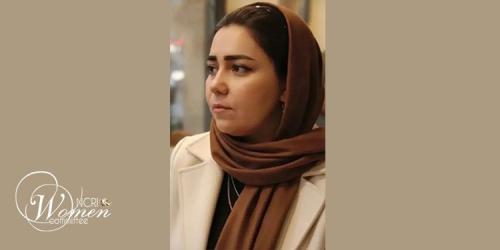
So far, the identities of 54 slain protesters of the uprising have been confirmed. Among them is Akram Peargazi, 40, a mother of two daughters, who was shot in the abdomen by regime security forces during protests in Neyshabur on January 7, 2026, and died several hours later in hospital.
https://wncri.org/2026/01/09/iran-uprising-expands-to-173-cities/